
Biourbanism
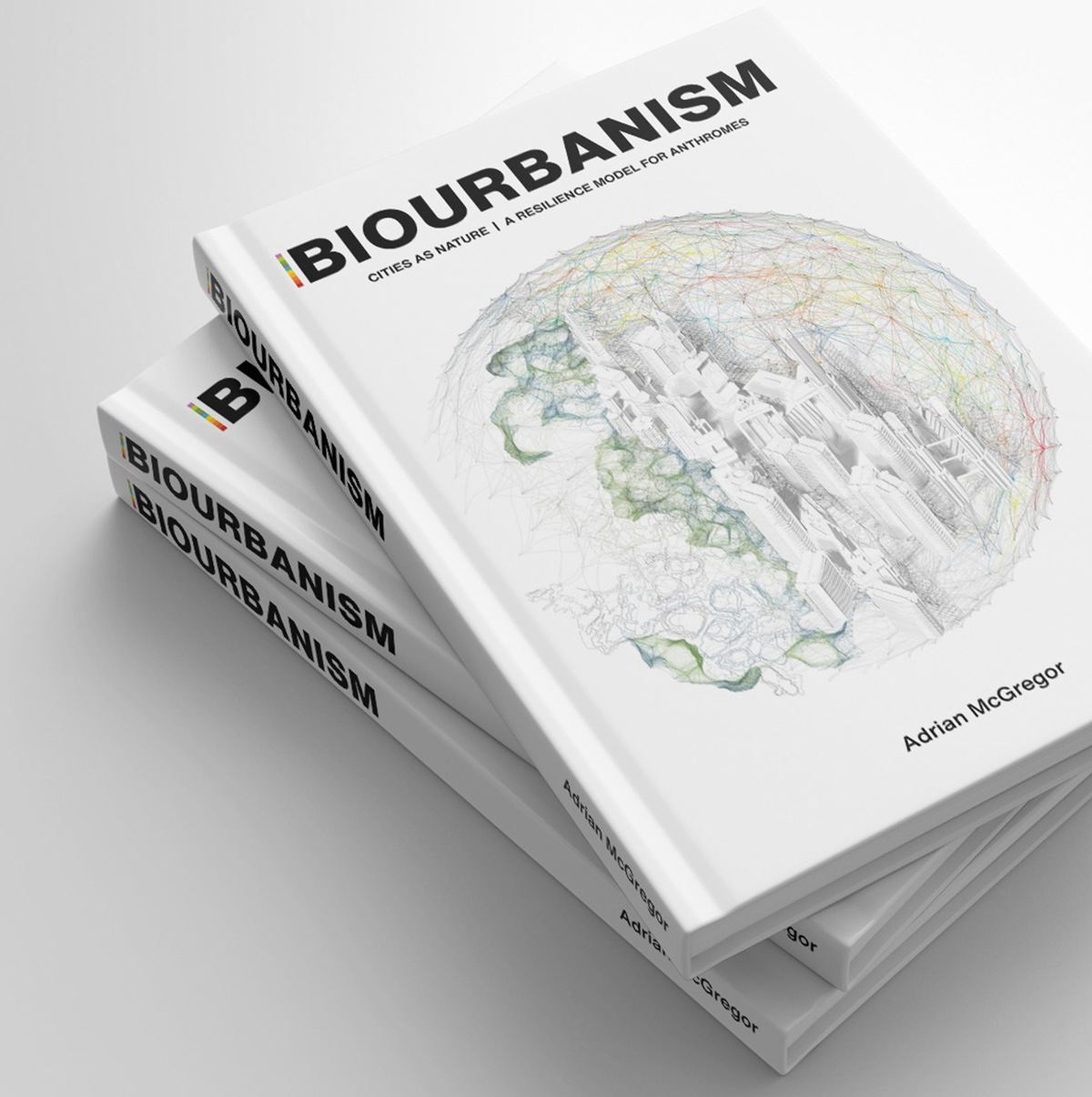
“Biourbanism” was written by Australian landscape architect Adrian McGregor, founder and Chief Design Officer of McGregor Coxall, a design practice based in Sydney and Bristol.
Selected as one of Sydney’s 100 Most Creative People and recipient of the Australian Prime Minister’s Urban Design Award, he has designed new cities, delivered lectures, and realised award-winning projects worldwide.
Selected as one of Sydney’s 100 Most Creative People and recipient of the Australian Prime Minister’s Urban Design Award, he has designed new cities, delivered lectures, and realised award-winning projects worldwide.

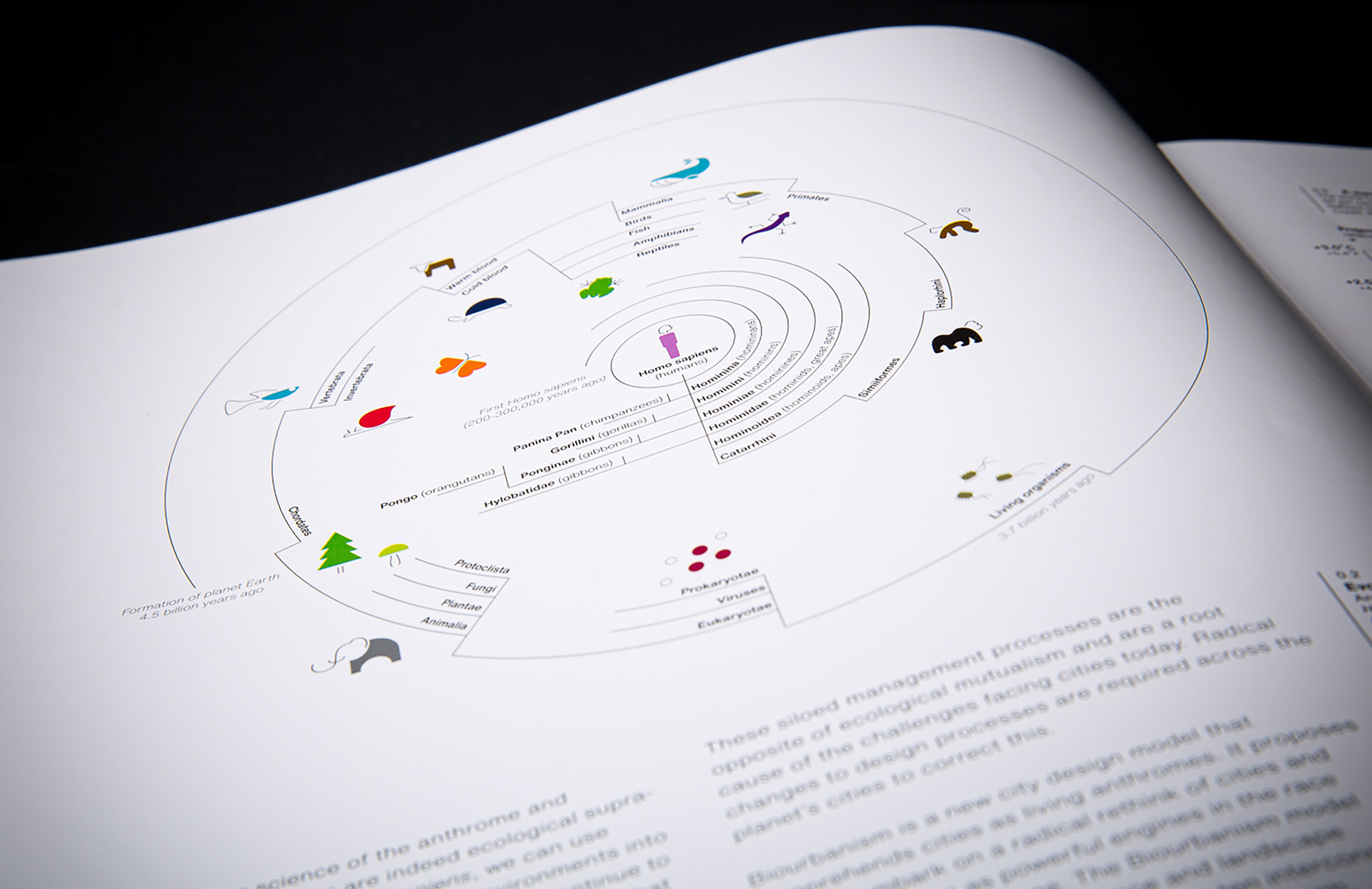
“I knew that the infographics were crucial to tell the story and make it understandable. So, I found a Dutch designer who’s just outside Amsterdam, Erik, and he and his team worked with me for the last year to effectively pull that together.”
Adrian McGregor in Episode 26 of the Property Marketing Podcast.
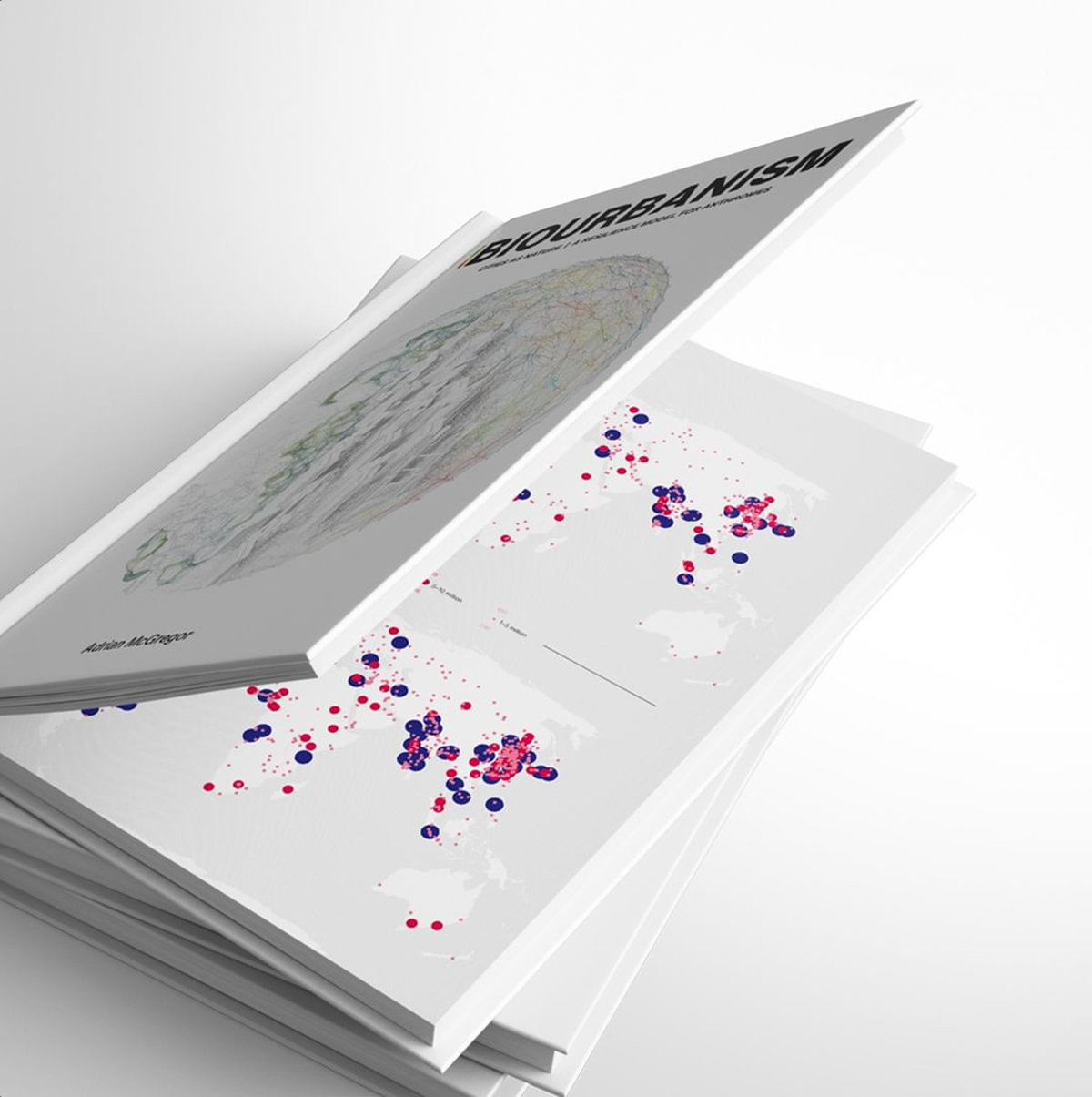
Cities as a Form of Nature
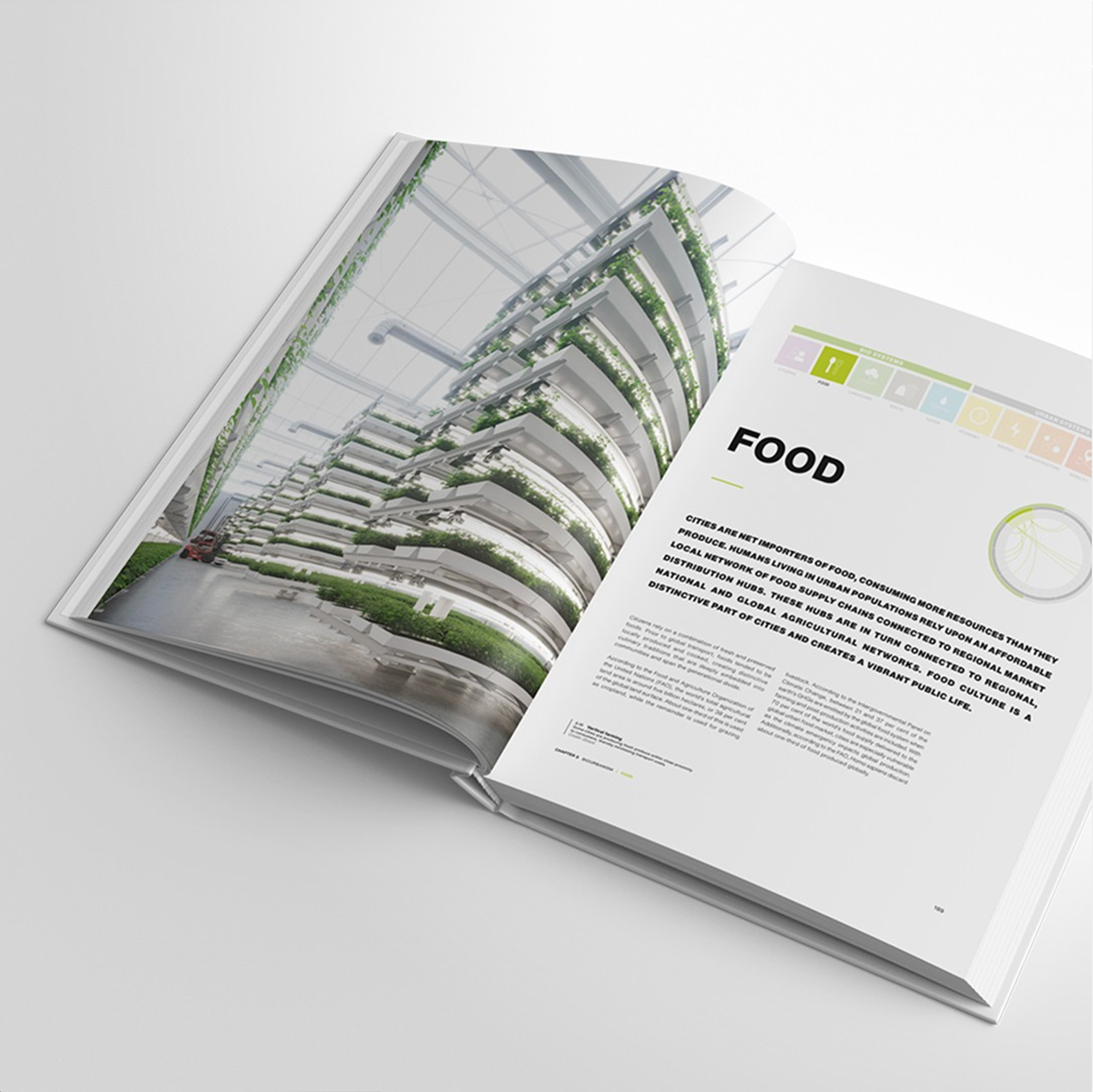
The concept of Biourbanism originates from ecological science, urban planning and landscape architecture. It is based on ten interconnected systems that together determine the health, prosperity and resilience of cities. By implementing this model, landscape architects, planners, mayors, civil servants and other stakeholders are able to view cities from a new perspective. It enables them to create healthier and more resilient urban environments.
In essence, the science-led model proposes that cities should be understood and treated as a form of nature.
In essence, the science-led model proposes that cities should be understood and treated as a form of nature.
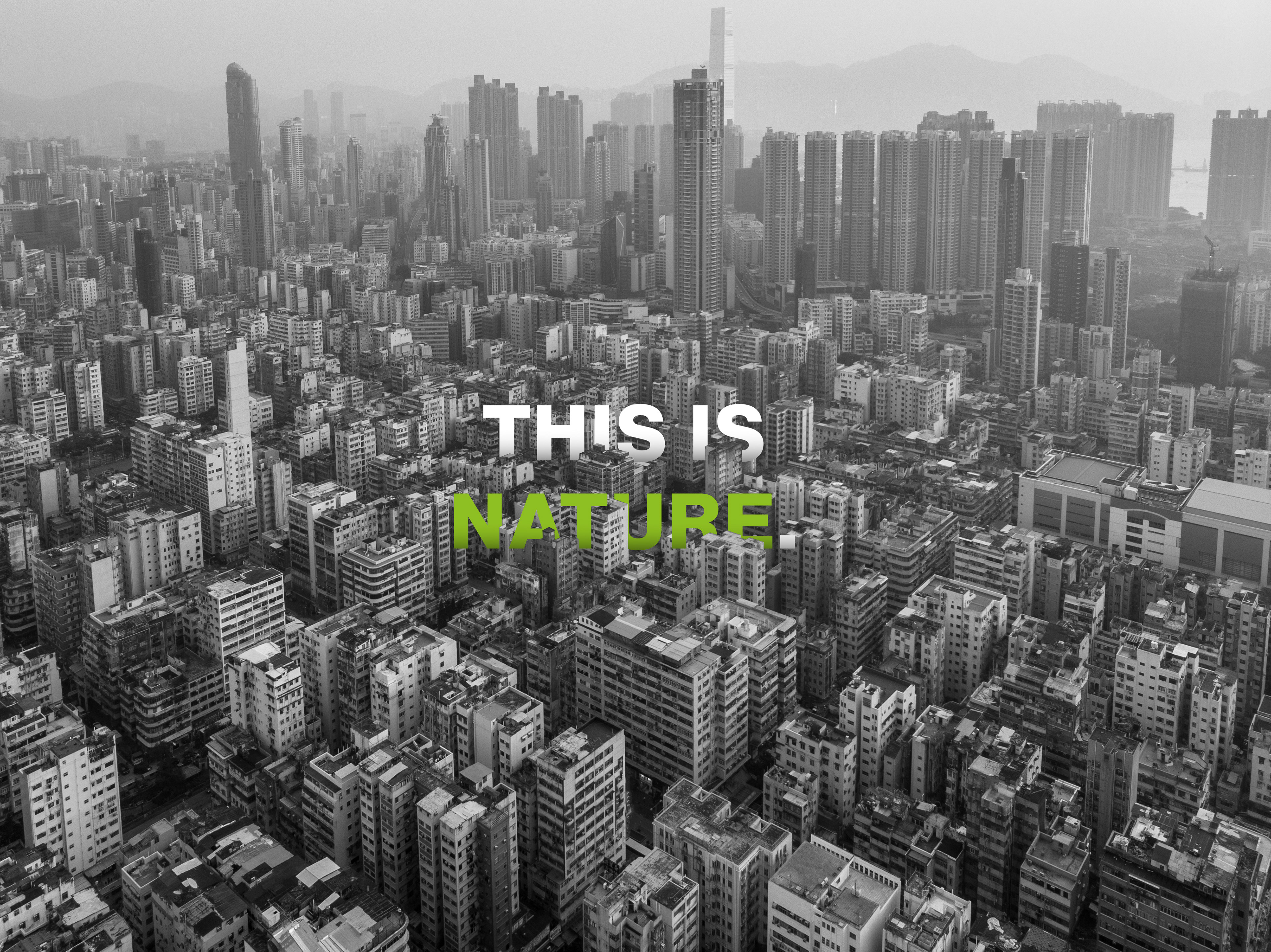
“They have this ability to take data and illustrate it in a simple way. So, this incredible Dutch sensibility to design and inform.”
Adrian McGregor in Episode 26 of the Property Marketing Podcast.
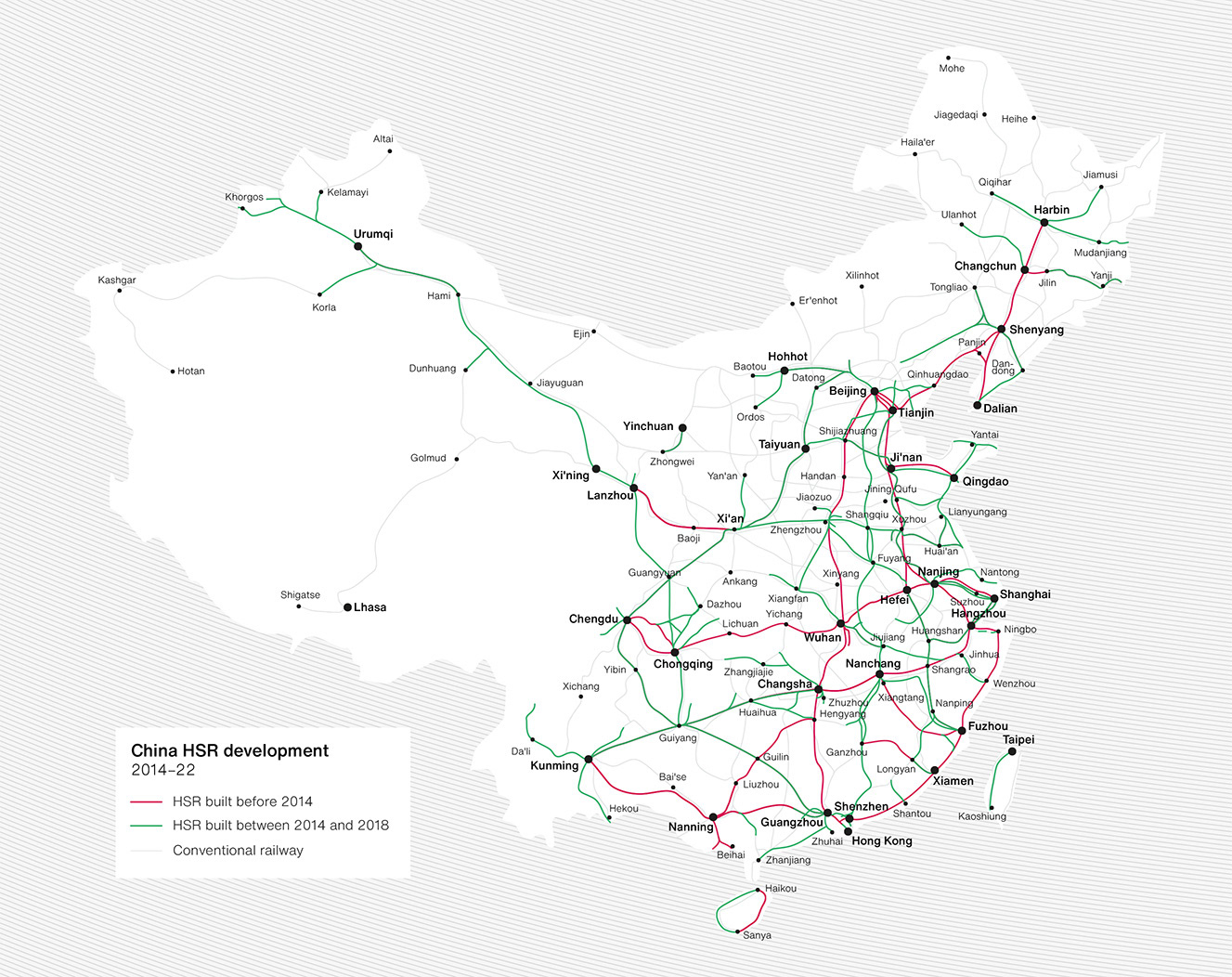
Visual: Chine HSR development
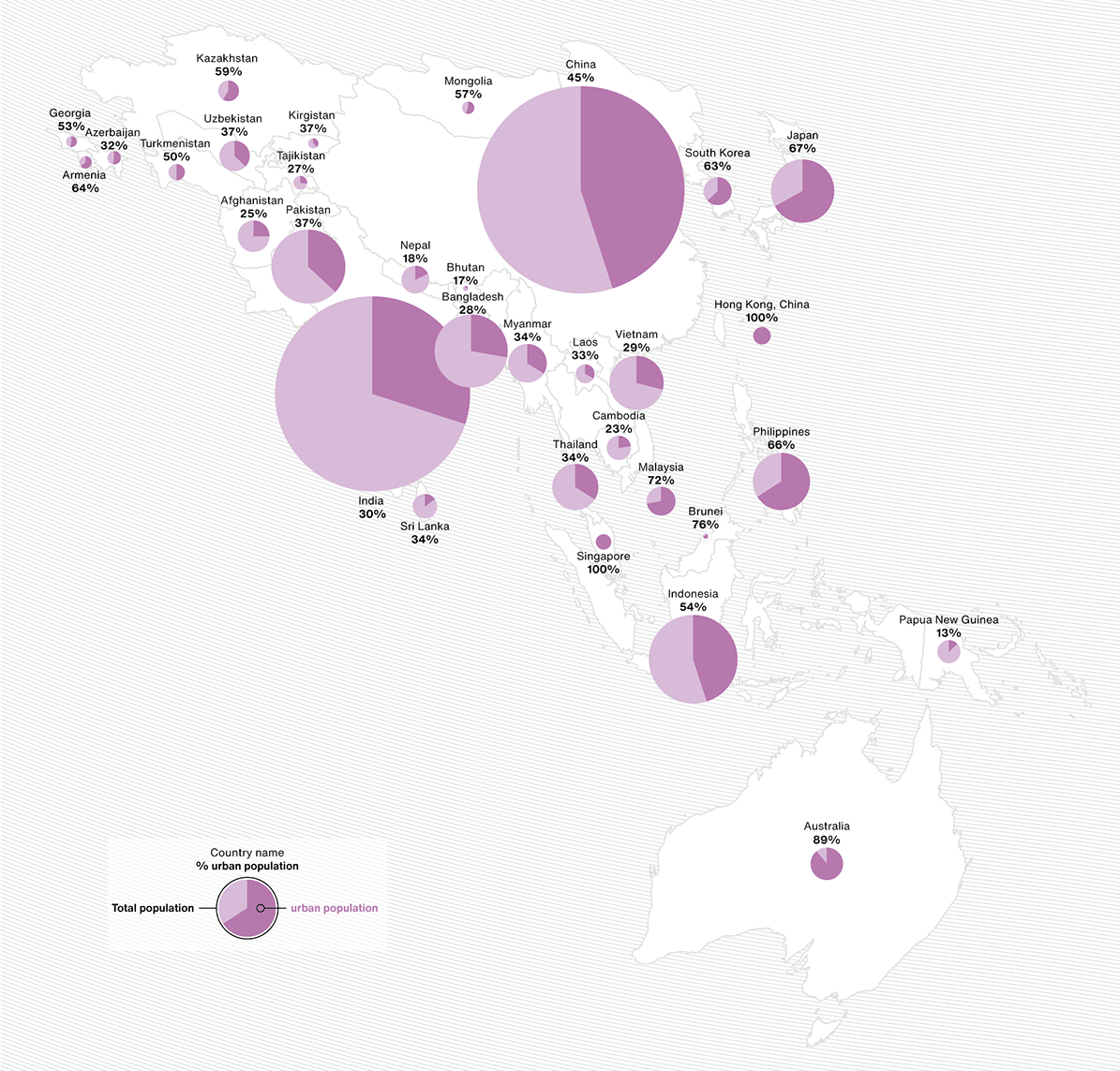
Visual: Urbanising Australasia
The Role of Studio Wiegers
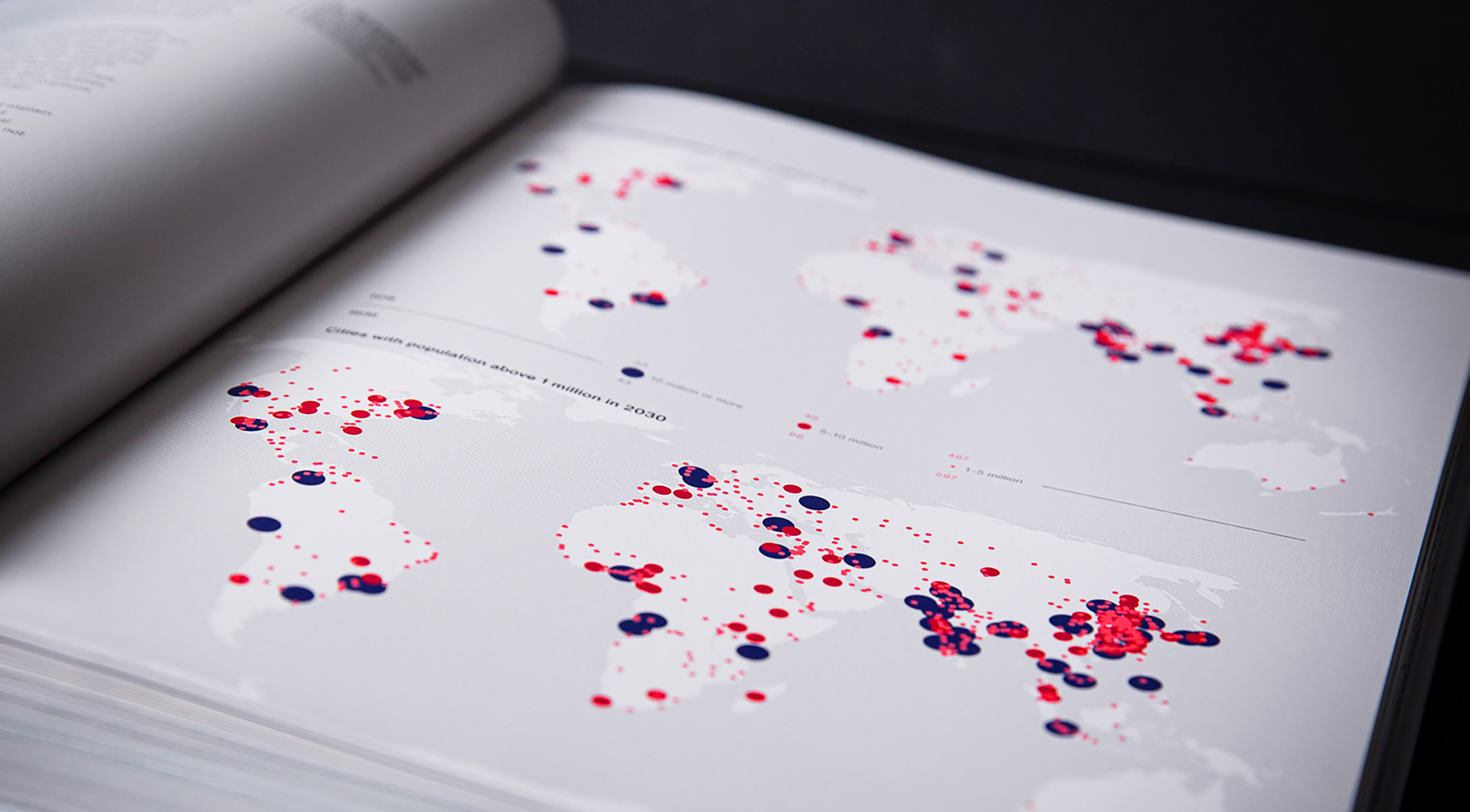
We were entrusted with working on the concept, look and feel, layout and all infographics, maps, models, charts and icons throughout the course of a year. In addition to the creative work itself, a key part of the project was the close collaboration with a team of cartographers, writers, editors and, of course, Adrian himself. The result is a publication we are proud of — if we may say so.
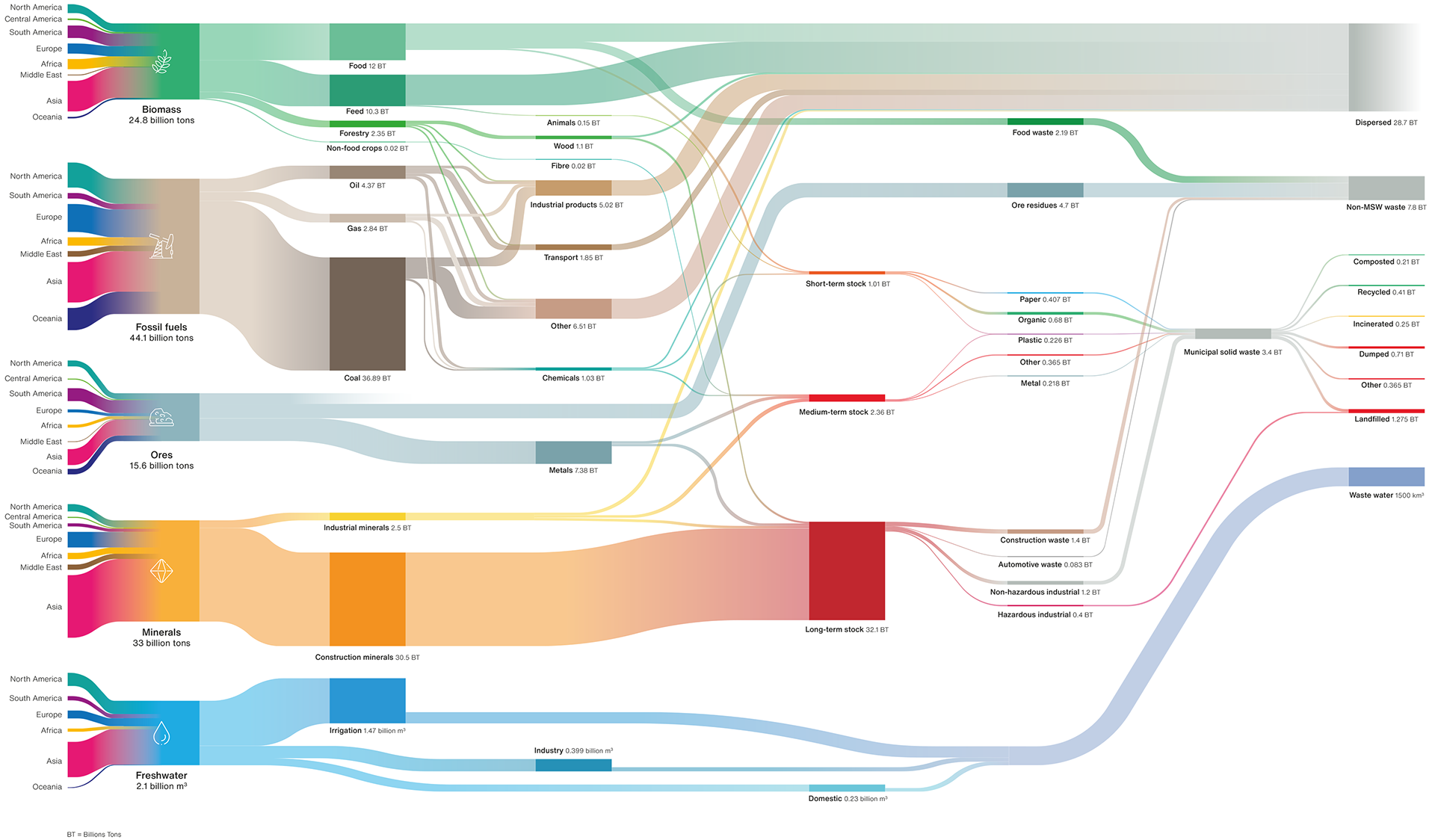
Visual: Global waste flows
High-Quality Publication
The book features different paper stocks for each section. The historical chapters are printed on 157-gram matte paper, while the future-oriented concepts are presented on a glossy stock to enhance clarity and contrast. The cover, with a minimal overhang relative to the interior pages, is finished with a debossed (blind-stamped) treatment. The volume — weighing over two kilograms — is enclosed in a custom-made sleeve.
More information can be found at biourbanism.info
More information can be found at biourbanism.info